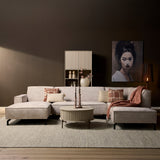
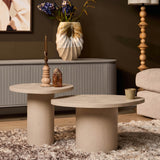
An ottoman or footstool is the piece of furniture that truly completes your seating area. A comfortable footrest after a long day, an extra seat for unexpected guests, and an attractive accent in the living room. Discover our collection of ottomans and footstools and find the model that matches your sofa or armchair.
Ottomans and footstools: comfort and style in the living room
An ottoman or footstool is one of the most versatile pieces of furniture you can add to your living room. It serves as a comfortable footrest for your sofa or armchair, as an extra seat for unexpected guests, and as an attractive decorative accent in the seating area. At MooierThuis, you will find ottomans and footstools in all styles, sizes, and materials, from a compact square model to an elongated footstool for the full width of the sofa. For every living room and every budget.
Ottoman or footstool: what's the difference?
The terms ottoman and footstool are often used interchangeably, but there is a subtle difference. An ottoman is typically more compact and square in shape. It can be used versatilely as a footrest, extra seat, or side table. A footstool is more elongated and wider and is primarily designed as a footrest for the full width of a sofa or a two-seater sofa. It offers more space to comfortably rest both feet and has a more pronounced lounge character.
Both are excellent additions to a sofa or armchair in the living room. The choice depends on the size of the sofa, the available space, and the desired use.
The ottoman as a coffee table: a smart interior choice
One of the most popular uses for an ottoman in the living room is as a soft coffee table. Place a sturdy tray on an ottoman with a flat, firm top, and it instantly functions as an informal, inviting coffee table for glasses, coffee cups, and decorations. This gives the living room a relaxed, lounge-like atmosphere that feels particularly inviting. Combine an ottoman used as a coffee table with a side table next to it for items you prefer to place on a stable, hard surface.
Styles and materials: the perfect ottoman for every living room
Ottomans and footstools come in a huge variety of styles and materials. An upholstered velvet ottoman gives the living room a luxurious, inviting look and pairs beautifully with a sofa in the same or a complementary material. A bouclé or teddy ottoman is warm, inviting, and the trendiest choice right now. For a sleek, modern living room, choose a faux leather ottoman that is easy to clean and has a timeless appeal.
Want something unique and decorative? A rattan or wicker ottoman gives the living room a bohemian or natural character that feels personal and cozy. Or choose an ottoman on wooden legs in oak or walnut for a Scandinavian vibe that is both warm and minimalist. Consciously combine the ottoman with the material and color of the decorative pillows on the sofa for a cohesive and styled seating area.
Choosing the right size ottoman or footstool
The size of the ottoman or footstool determines the proportions in the seating area. A few practical guidelines:
Height: The ideal height of an ottoman as a footrest is equal to or slightly lower than the seat height of the sofa or armchair. Most sofas have a seat height of 40 to 48 cm. Choose an ottoman 38 to 45 cm high for the most comfortable proportion.
Width: An ottoman for an armchair is typically 40 to 60 cm wide. A footstool for a two-seater sofa is 80 to 120 cm wide for maximum comfort. Choose a width that matches the size of the sofa or armchair it will be placed with.
Walkway: Allow a minimum of 30 to 40 cm of free space between the ottoman and the sofa so you can sit comfortably and easily extend or retract your legs.
Proportion with the coffee table: If you place the ottoman next to a coffee table, make sure the height of the ottoman is not much higher than that of the coffee table for a balanced and tranquil arrangement.
Combining an ottoman: how to get the most out of your seating area
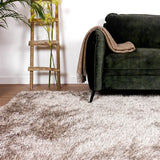
An ottoman or footstool is most effective when it's a conscious part of the overall seating area. Combine an upholstered ottoman in the same fabric as the sofa for a classic and cohesive arrangement. Or choose a contrasting color or material as a deliberate eye-catcher that gives the seating area more character and depth. Place a rug under the sofa, coffee table, and ottoman to visually delineate the seating area as a whole from the rest of the living room. This small detail immediately makes the arrangement more coherent and professional in appearance.
Add an artificial plant in the corner behind the sofa or next to the armchair for a fresh, green touch that makes the seating area feel more complete and vibrant. And choose an atmospheric candle holder on the side table next to the ottoman for a warm, inviting atmosphere in the evening.
At MooierThuis, you can easily order your ottoman or footstool online. All dimensions, materials, and colors are clearly listed per product. We deliver quickly throughout the Netherlands and Belgium. Do you have a question about the right size or material for your seating area? Our customer service will be happy to assist you.
Frequently asked questions about ottomans and footstools
What height should an ottoman be for my sofa?
The ideal height of an ottoman as a footrest is equal to or slightly lower than the seat height of your sofa. Measure the seat height of your sofa and choose an ottoman that is a maximum of 5 cm lower. For a sofa with a seat height of 45 cm, you would choose an ottoman 40 to 45 cm high. An ottoman that is too low will be uncomfortable as a footrest because you have to let your legs hang too far down. An ottoman that is too high will cause tension in your knees when extending your legs.
Can I use an ottoman as an extra seat?
Yes, absolutely. An ottoman with a sturdy construction and a comfortable top is excellent for use as an extra seat for guests. Pay attention to the weight capacity of the model in the product specifications before using it as a seat. Most ottomans have a weight capacity of 80 to 120 kg. An ottoman without a backrest is less comfortable for long periods of sitting than a chair, but for short periods during a dinner party or visit, it is a great and flexible extra seating option.
How do I combine an ottoman with my existing sofa?
The most beautiful combination is an ottoman that matches the sofa in color or material but is not necessarily identical. Choose an ottoman in the same material as the sofa for a classic, cohesive look. Or choose a contrasting color or texture as a conscious style choice that gives the seating area more character. Always ensure a common element such as matching legs or a complementary color that visually connects the ottoman to the sofa.
Is an ottoman also suitable as a side table?
Yes, an ottoman with a flat, firm top is excellent for use as a soft side table. Place a sturdy tray on the ottoman for a stable surface for glasses, coffee cups, and small decorative items. Choose an ottoman with a fabric or leather upholstery that is easy to clean if you regularly use it as a side table. A tray also protects the upholstery from stains from drinking glasses and coffee cups.
How do I maintain an upholstered velvet ottoman?
Regularly remove dust and crumbs with a soft velvet brush or lint roller. Always brush in the direction of the pile for an even and neat surface. Treat stains immediately by gently dabbing them with a dry, absorbent cloth. For stubborn stains, use a mild stain remover specifically for velvet. Restore flattened pile by lightly steaming the fabric with a handheld steamer at a distance from the velvet. Preferably choose velvet with a stain-resistant treatment for daily intensive use.