
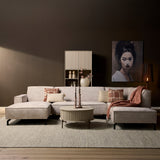
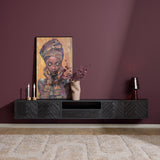
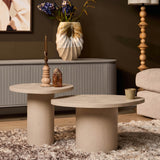
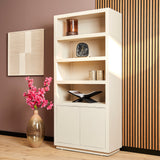


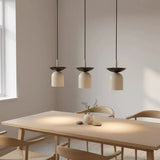
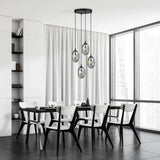
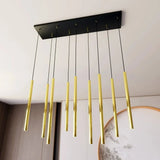


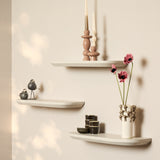
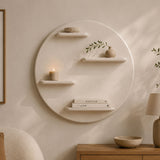


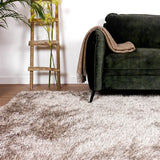
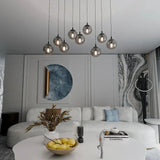
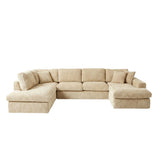


Japandi is popular because it delivers exactly what many people are looking for: peace of mind and warmth in your home. It's the perfect blend of Japanese minimalism (simple, deliberate, fewer distractions) and Scandinavian coziness (soft, light, comfortable). In this guide, I'll show you how to apply Japandi without it feeling cold or boring.
What you will learn:
- the Japandi color palette (and how to keep it warm)
- materials that immediately feel “Japandi”
- layered lighting + smart lighting options (practical and atmospheric)
- step-by-step plan for the living room and bedroom
- checklist + FAQ
What exactly is Japandi?
Japandi is all about functional simplicity with soft warmth. Think: low, calm forms, natural textures, fewer visible items, and a strong focus on light. It's also a style that aligns well with more sustainable living, as you consciously choose fewer, but better, items.
1) Color palette: warm neutral with soft contrasts
Japandi base: warm white, sand, greige, light taupe.
Accent (small): wood tones, clay/terracotta, olive, anthracite, deep brown.
Keep it calm: 70% base, 20% second hue, 10% accent. Japandi feels best when you use color through materials (wood, ceramics, textiles) rather than many bright paint colors.
2) Materials: natural texture = atmosphere
You can recognize Japandi by material choices that feel "real":
- wood(look) with visible grain
- linen(look), wool blend, bouclé or ribbed texture
- ceramics/stone look for understated luxury
- glass and metal as a subtle accent (not shiny-excessive)
Sustainable approach: Japandi is pre-eminently "buy less, choose better." A timeless base and sturdy materials ensure you replace items less often.
3) Lighting: the Japandi mood creator (innovation that really helps)
Japandi stands or falls with light. Work with layers:
- Basic light (ceiling/spots) for brightness
- Ambient light (wall/table/floor) for warmth
- Accent light (corner/art/plant) for depth
Smart lighting technique (highly recommended):
- dimmable warm light for the evening
- dim-to-warm: dimming lower = warmer light
- tunable white: fresher during the day, warmer in the evening
- LED: energy-efficient and long lifespan
Lighting • Light Bulbs • Smart Lamps
4) Storage: “less in sight” is the style
Japandi looks calm because surfaces aren't cluttered. Aim for: 60–70% of your sideboard/table empty. Choose one larger vase or bowl rather than many small accessories.
Furniture • Cabinets • Sideboards
Applying Japandi per room
Living room (step-by-step plan):
- choose a warm-neutral base
- repeat 2–3 materials (wood + textile + ceramic)
- place 3 light sources (basic/ambient/accent)
- style with 1 statement (mirror or vase) instead of many small items
- add texture via cushions/throws/rug
Decoration • Mirrors • Vases & Bowls
Bedroom (step-by-step plan):
- work with layers of textiles in calm tones
- choose warm dimmable light next to the bed
- keep the nightstand simple: 1 lamp + 1 item
- create one calm wall focus (art or mirror)
Living & Sleeping • Home Textiles • Bedding
Checklist: Japandi in 30 minutes
☐ 5 loose items out of sight
☐ 1 warm base (sand/greige) chosen
☐ 2 textures added (e.g., linen + bouclé)
☐ at least 2 light sources on (basic + ambient)
☐ 1 statement (vase/mirror) placed
FAQ
Doesn't Japandi quickly become cold?
Not if you add warmth with texture (linen/wool/bouclé) and warm dimmable light. Keep contrasts soft and add one earthy tone.
What lighting best suits Japandi?
Soft, warm, and layered. Dim-to-warm or tunable white is ideal for switching from functional to atmospheric.
How do I start most easily?
Start by decluttering (less in sight) and then add one extra ambient light source. That immediately gives you the Japandi feeling.
Conclusion + CTA
Japandi is calm, warm, and timeless. With natural materials, fewer distractions, and smart lighting, you'll finish your home faster than you think.


