
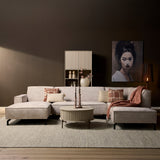
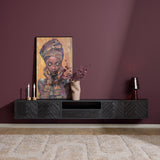
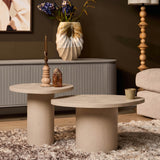
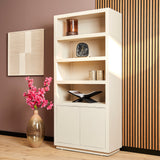


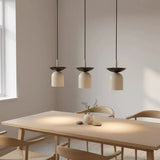
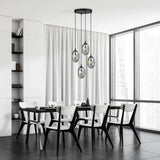



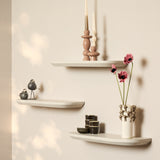
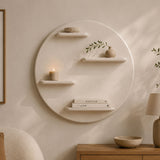


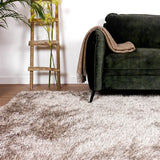
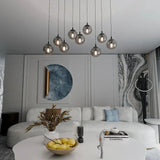
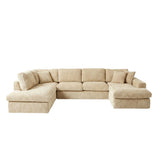


Scandinavian living (Scandi) has been popular for years, and for good reason. It feels light, calm, and comfortable, without becoming boring. The basics are simple: lots of light, natural materials, soft textures, and a practical home. Below, you'll find an approach you can apply immediately, without being tied to specific products.
Here's what you'll do:
- choose a Scandi color palette that stays warm
- maximize light (daylight + layered lighting)
- use textiles and wood for hygge
- use smart lighting for ambiance and energy efficiency
- checklist + FAQ
What is Scandinavian living?
Scandi is all about simplicity and functionality, but with warmth: soft throws, calm colors, wood accents, and most importantly: good lighting. It's a style that also aligns well with more sustainable living, as you choose timeless and long-lasting items.
1) Color: light and warm (not stark white)
Go for warm white, sand, light gray, or greige as your base. Add warmth with wood tones and one soft accent color (sage green, clay, powder blue). This keeps it Scandinavian yet cozy.
2) Light: enhance daylight + layered lighting
Daylight: keep window areas uncluttered, use light window textiles, and leverage reflection (mirror in the right spot).
Lighting: work with layers (general/ambient/accent). Scandi almost always has multiple small light sources instead of one harsh lamp.
Smart lighting (innovation that makes Scandi even better):
- tunable white for day and evening rhythm
- dim-to-warm for extra hygge in the evening
- LED for energy efficiency and long lifespan
Lighting • Light bulbs • LED filament • Smart lamps
3) Materials: wood + textiles + "air"
Scandi feels light due to a mix of natural materials and open space. Think of:
- light wood (look) as a base
- soft textures (wool blend, bouclé, linen look)
- glass/light ceramics for "air"
Sustainable tip: opt for sturdy weaves and timeless colors. They stay beautiful longer, meaning you won't need to replace them as quickly.
4) Hygge = comfort: work with layers
Hygge is the feeling of being cozy and comfortable. You achieve this with layers: cushions, throws, rugs, and warm light. It doesn't have to be cluttered; keep your colors calm and vary textures.
Living & Sleeping • Home textiles • Decorative cushions • Throws & blankets • Rugs
5) Storage: calm = fewer distractions
Scandi works best when your visible surfaces aren't cluttered. Group items by category and give everything a designated place. One statement accessory is often enough.
Furniture • Cabinets • Bookshelves • Sideboards
Applying Scandi per room
Living room:
- light base palette + wood accent
- 3 light sources (minimum) for ambiance
- 1 rug for softness and acoustics
- 1 decorative statement, otherwise calm
Bedroom:
- calm textiles in tone-on-tone
- warm dimmable light next to the bed
- mirror for extra light and a sense of space
Decoration • Mirrors • Vases & bowls
Checklist: Scandinavian living in 30 minutes
☐ 5 items removed from visible surfaces
☐ 1 extra warm light source added
☐ 2 textures added (cushion + throw)
☐ wood accent (or wood look) repeated
☐ one calm decorative corner created
FAQ
Isn't Scandinavian too "white" and cold?
Not if you use warm white (not bright white), wood tones, and warm dimmable light. Add texture with home textiles for hygge.
What's the quickest change with the most impact?
Layered lighting. One extra ambient light source instantly makes your space softer and cozier.
Which style mixes well with Scandi?
Japandi (more minimalist) or Modern Minimal (sleeker). Scandi always remains warm through texture.
Conclusion
Scandinavian living is light, calm, and comfortable. With a warm color palette, texture, and smart lighting, you create hygge without it feeling cluttered.


